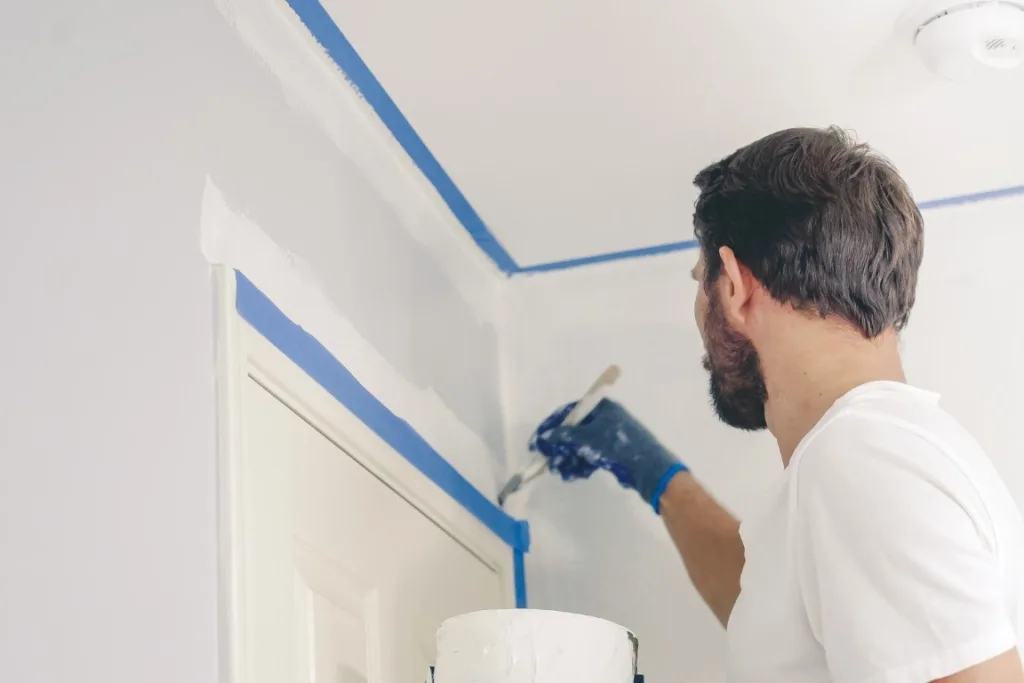
Many people believe that applying primer before a fresh coat of paint is an optional extra step that’s only necessary for problem surfaces or new construction. They may view it as a waste of time and money, think that any primer works on every surface, or that two-in-one paint and primer is just as good as doing it the old-fashioned way. In reality, skipping this important step — or performing it incorrectly — often leads to higher long-term costs, premature paint failure, and a poor appearance.
Recently, we shared a blog called “The Role of Surface Preparation in Long-Lasting Commercial Paint Jobs”. Today, we’re shining a spotlight on one of the most misunderstood aspects of surface prep: priming. Keep reading to learn how properly applied primer can separate professional commercial paint jobs from quick fixes, what can happen when you skip it, and how to determine which type to use on your commercial property.
What Primer Actually Does
Primer’s main job is to create a bonding layer between paint and the underlying surface in order to improve the paint’s adhesion and longevity, ensure uniform color and finish, better protect the surface from damage, and reduce long-term costs.
Let’s take a closer look its role in commercial painting:
Improving Paint Adhesion and Longevity
Primer grips metal, masonry, concrete, drywall, and even previously coated surfaces to help prevent paint from peeling, blistering, flaking, and cracking. It improves paint’s longevity by helping it withstand heavy traffic, frequent cleaning, moisture exposure, and temperature changes. This extends the lifespan of the paint and reduces the need for maintenance over time.
Ensuring Uniform Color and Finish
Primer helps prevent paint from appearing blotchy or patchy by stopping dark colors, graffiti, and stains from showing through. It also helps maintain a consistent sheen across mixed surfaces and repairs. This means you can achieve full paint coverage and a smooth finish with fewer coats.
Protecting Surfaces From Damage
Primer provides moisture resistance for concrete, drywall, and masonry. It protects steel doors, railings, and metal structural components from corrosion and rust and seals lingering odors from smoke, chemicals, or previous tenants. Additionally, mold- and mildew-resistant formulations are available for areas where frequent moisture exposure is expected, such as food service, healthcare, and restrooms.
Reducing Long-Term Costs
With primer, there are fewer topcoats required for full coverage. You’ll have to perform less repainting due to premature failure, which translates to lower labor and downtime costs over the life of your paint job. Plus, this extra protection protects your building and preserves its value.
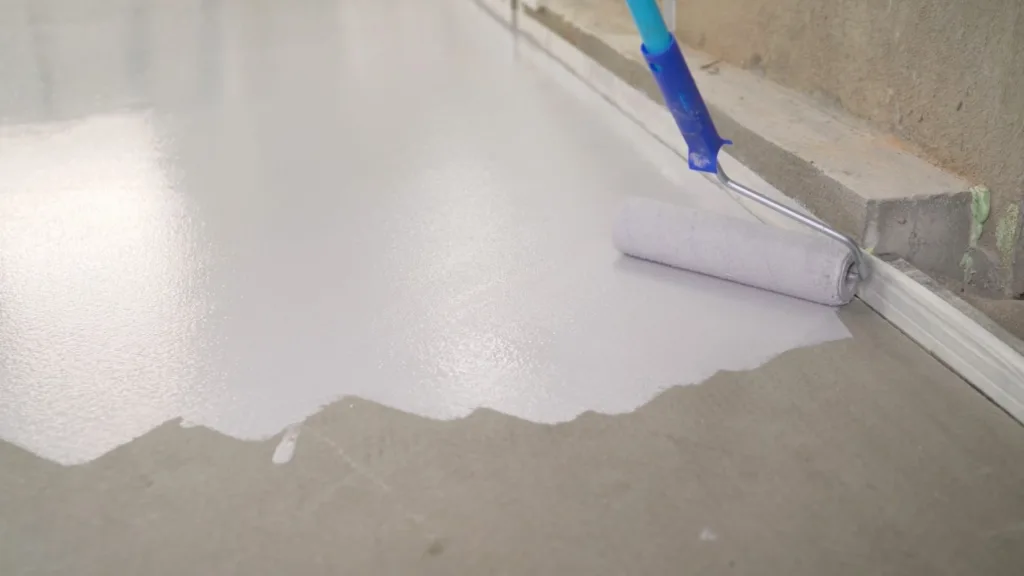
When Primer Is Absolutely Necessary
If you don’t care about achieving a smooth, long-lasting finish, you may be able to get away with skipping the primer. However, priming is absolutely necessary in these situations:
- New drywall and patched areas
- Bare wood, metal, masonry, or concrete
- High-moisture environments
- Heavy stains, smoke damage, grease, or water marks
- Color changes from dark to light
- Previously glossy or slick surfaces
- Exterior surfaces exposed to weather
If you skip the priming stage, just know that you’re risking paint peeling or failing prematurely, uneven color and sheen, increased long-term material usage and labor costs, and damage from moisture intrusion.
You also risk impacts on your business operations. A poor paint job reflects negatively on your business, damaging your brand image. You’ll also have disruptions from more frequent repairs, requiring you to close for maintenance or block off certain areas of your property.
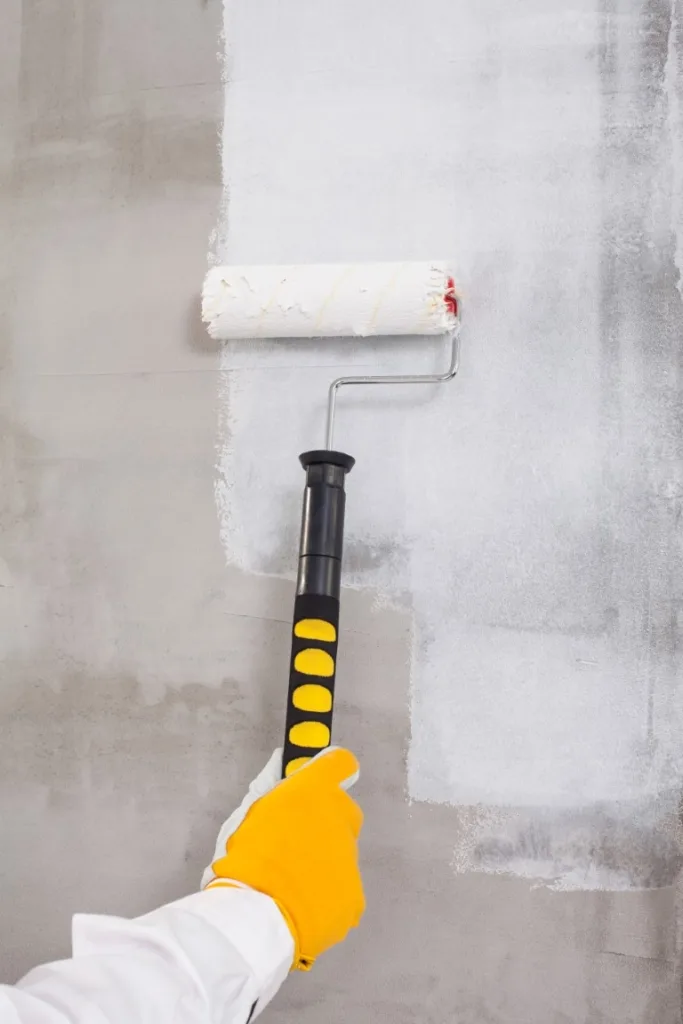
Different Types of Commercial Primers and Their Uses
Now that you know why priming before painting is so important, let’s go over some types of primer and their uses in commercial spaces:
- Latex: Suitable for drywall and light-duty interior surfaces
- Oil-based: Use for stain blocking
- Epoxy: Best for concrete floors and industrial areas
- Rust-inhibitive: Formulated for metal surfaces
- Masonry: Apply to stone and stucco
- Specialty primers: Made for fire resistance, antimicrobial protection, or chemical exposure
Professional commercial painters determine the right primer by performing surface inspections and testing for moisture, identifying what the surface is made of and whether any contaminants are present, considering the environment, determining what the performance requirements are, and ensuring compliance with manufacturer specifications and warranty requirements.
Trust the Experts at Brush Brothers Commercial Painting
If your commercial building could use a refresh, trust the experts at Brush Brothers Commercial Painting to get the job done right. When you work with us, you can trust that your investment in proper surface preparation will pay off in the end. Contact us today to request a quote and get the process started!


