There are three primary paint application methods: spraying, brushing, and rolling. Each has its own benefits and drawbacks, but how do you know which one is right for your next commercial job?
The best painting method depends on the project’s size, surface, desired finish, accessibility, and timeline. In fact, professional painters often combine multiple techniques rather than relying on just one.
If you’re about to undertake a painting project for your commercial space, keep reading to learn more about spray painting, brushes, and rollers, which painting method is best for certain applications, when to combine methods, and the role of painting professionals like the team at Brush Brothers Commercial.
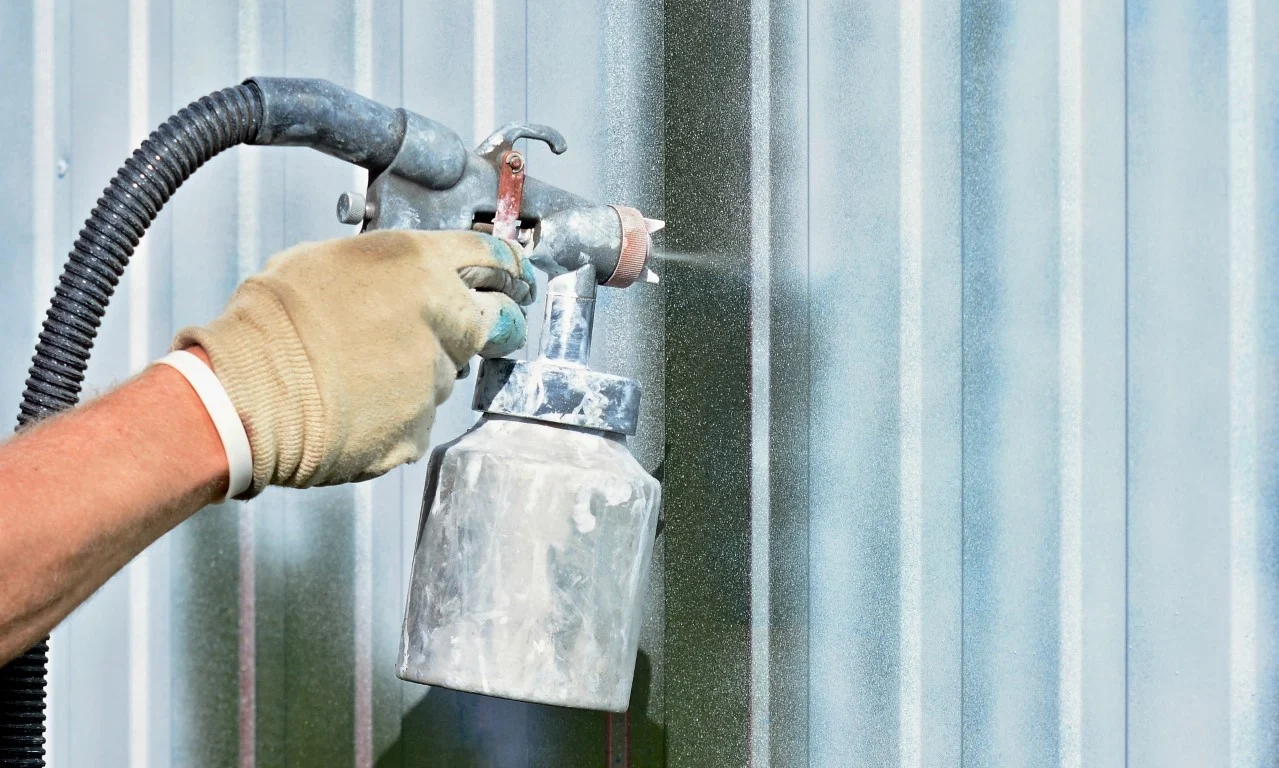
Spray Painting for Commercial Jobs
Spray painting for commercial jobs is different from the small cans of spray paint at the hardware store. It involves using specialized sprayers that atomize paint and apply it in a consistent coating, making it great for large walls, ceilings, warehouses, offices, and expansive exterior surfaces.
This painting method covers large areas quickly, produces a smooth and uniform finish, works well on textured and difficult-to-reach surfaces, can reduce visible brush and roller marks, and is particularly useful for large-scale projects with tight schedules.
However, spray painting has some drawbacks, as well. It requires careful masking and protection of surrounding surfaces — if the area is not properly prepared, overspray can be a major issue. Experienced painters are required to control coverage and achieve consistent results. It also may not be practical for small spaces.
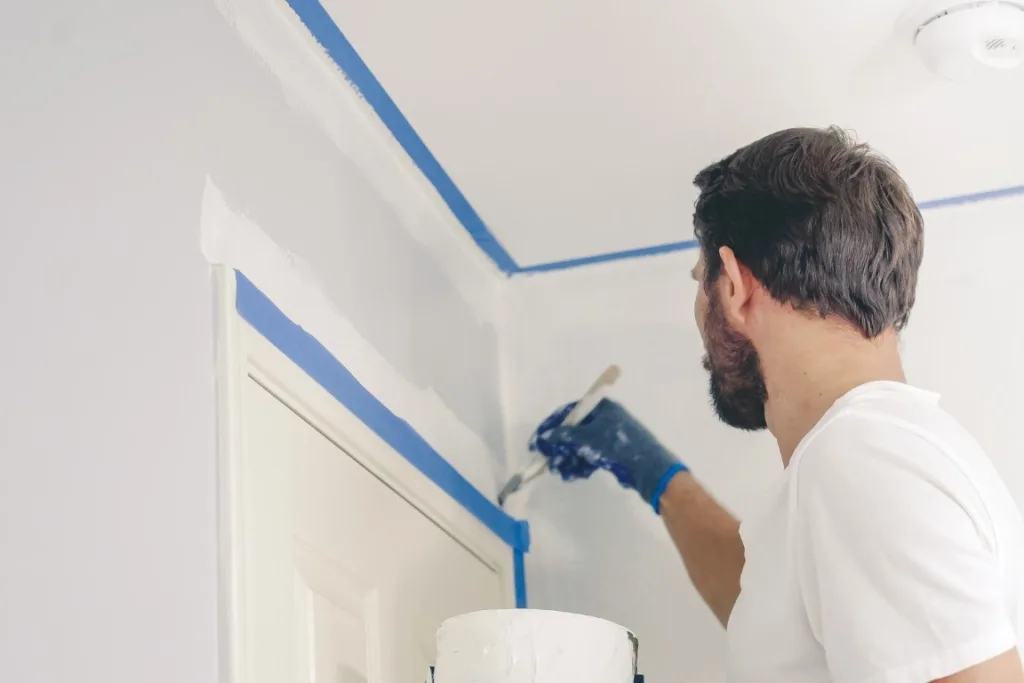
Brush Painting for Commercial Jobs
Brushes provide direct control over paint placement, making them good for edges, trim, corners, doors, frames, and other smaller, more detailed areas. This painting method provides excellent precision, allowing painters to work around obstacles and architectural details. It’s ideal for smaller areas and touch-ups.
However, it’s much slower and less efficient than spraying or rolling when it comes to large surfaces. It can also leave visible brush marks if applied improperly.

Roller Painting for Commercial Jobs
Rollers apply paint efficiently across broad, relatively smooth surfaces and art often used for office walls, hallways, retail spaces, schools, and other commercial interiors. It’s much faster than brushing for larger surfaces and provides relatively good control. It requires less masking and preparation than spray painting and is well suited to many interior commercial painting projects.
However, roller painting typically leaves a stippled texture that some people may not prefer. This painting method can also be less effective on highly textured or irregular surfaces and is generally slower than spraying for very large commercial projects.
Spray vs. Brush vs. Roller: How They Compare
There’s no single best painting method for every commercial painting project. If speed and a smooth finish are your priorities, spraying is generally fastest. However, it typically requires more masking and protection. When minimizing overspray is essential, brushing and rolling may be more practical — brushing especially offers the most control.
As you decide which painting method is the best for your project, consider the following:
- Size and scope of the project: Larger projects may benefit from spray application for greater efficiency. Smaller projects in tighter spaces may be better suited to rolling or brushing.
- Type and condition of the surface: Whether the surface is smooth, textured, porous, or irregular can influence your choice of painting method.
- Desired finish: For maximum smoothness and consistency, spraying is typically best.
- Project timeline: Tight deadlines may mean faster painting methods (like spraying) when conditions allow.
- Accessibility and layout: Small spaces, detailed architectural features, and certain obstacles may require brushes or rollers.
When to Combine Painting Methods
Sometimes, it’s best to use a combination of painting methods on the same project. For example, you may use a brush on corners, edges, trim and detailed areas, a roller on large interior walls, and a sprayer on large open surfaces or ceilings. The right combination of painting methods can help you balance efficiency, appearance, and precision.
Trust the Experts at Brush Brothers Commercial Painting
At Brush Brothers Commercial, we know that choosing the right tool is only one part of achieving quality results. We also perform proper surface preparation, select the correct paint and primer, apply paint at the appropriate thickness, and protect surrounding surfaces, ensuring beautiful, lasting results.
If your commercial facility could use a fresh coat of paint, contact Brush Brothers Commercial today to learn more about how our expert painting services can transform your space.


