

Regular cleaning is an essential part of maintaining commercial buildings — everything from the floors to the walls to the exteriors needs to be cleaned in order to maintain a polished appearance and prevent deterioration. However, not all cleaning methods and practices are the best at preserving painted walls. Improper techniques can even lead to premature paint failure and costly repainting.
If you’re looking to extend the lifespan of your commercial paint job, keep reading to learn what causes paint to deteriorate, how different cleaning methods can affect your paint, how often to clean painted surfaces, and more.
What Causes Paint to Deteriorate?
There are two main reasons paint deteriorates: environmental exposure and everyday wear and tear.
Environmental exposure typically affects exterior paint. UV rays can cause fading and chalking, while rain, snow, and humidity can cause bubbling and peeling over time. Air pollution and industrial contaminants are another major source of deterioration, as is salt exposure in coastal areas or places where road salt is used in the winter to melt ice.
Everyday wear and tear can take their toll on both interior and exterior pain. This may look like dirt and dust buildup, fingerprints, scuff marks, or abrasions. In damp environments, mold, mildew, and algae can grow on the surface of the paint, and in restaurants and commercial kitchens, grease and food residue can build up over time.
With these sources of deterioration in mind, let’s take a look at how different cleaning methods affect painted surfaces.
How Different Cleaning Methods Affect Painted Surfaces
Here’s a closer look at different cleaning methods and their potential effects on painted surfaces:
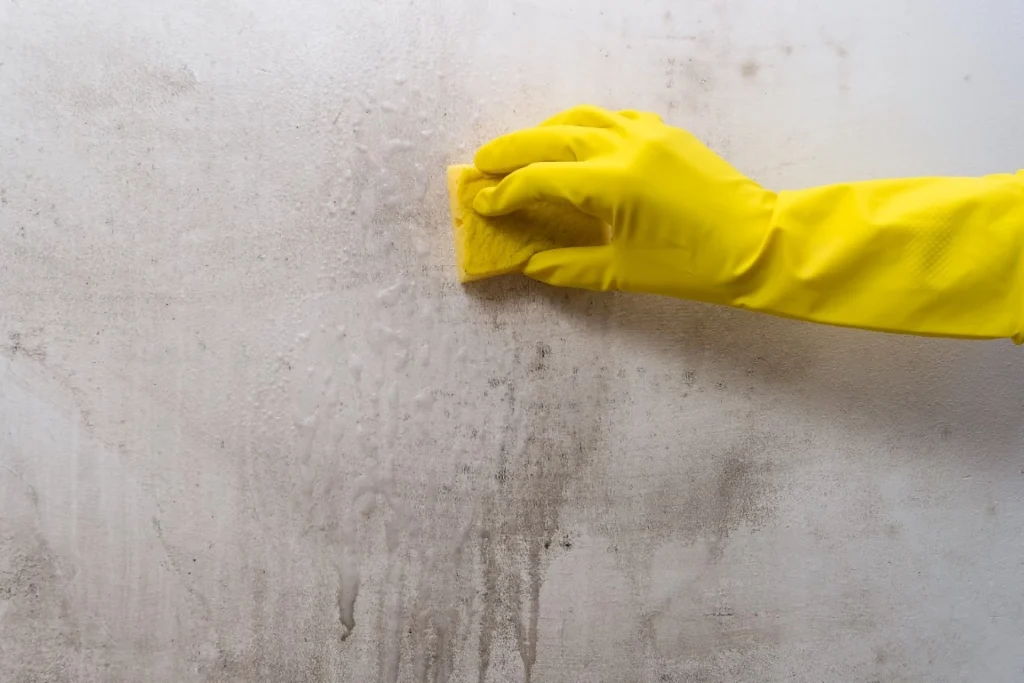
- Gentle hand washing: Using soft cloths, sponges, or soft-bristle brushes, along with mild detergents, is a great way to remove dirt without damaging the paint. It’s typically the best cleaning method for routine maintenance and more delicate painted surfaces.
- Pressure washing: While pressure washing can be effective for removing heavy dirt and mildew, the wrong pressure settings can strip the paint, force damage behind coatings, and damage caulking and sealants.
- Chemical cleaning products: Only use cleaners designed specifically for painted surfaces. Harsh chemicals like concentrated bleach, solvents, or acidic or highly alkaline cleaners can discolor, soften, or break down the paint.
- Abrasive materials: Steel wood, abrasive scrubbing pads, and stiff wire brushes can have a sanding effect on painted surfaces. This may be appropriate when you’re prepping for repainting, but not for routine maintenance.
Be on the lookout for signs that your cleaning methods may be damaging your paint, including fading color, chalking or a powdery residue, peeling, blistering, glossy finishes becoming dull, scratches, and visible wear patterns. Look for water intrusion around damaged paint, too, as this can quickly lead to additional damage.
How Cleaning Frequency Impacts Paint Longevity
The cleaning methods you use aren’t the only thing that impacts the longevity of your paint. How often you clean can affect its lifespan, as well.
If you don’t clean often enough, dirt left on surfaces can trap moisture and contaminants, gradually breaking down protective coatings. Cleaning too infrequently also allows stains to really set in, making them more difficult to remove.
However, the opposite is also true. Cleaning too aggressively or too often can also shorten the lifespan of your paint. That’s why it’s important to develop a maintenance schedule based on your commercial property’s unique needs and environment. This may look like cleaning high-traffic areas — such as entryways and doors, hallways, stairwells, restrooms, and retail spaces — more frequently than others.
Best Practices for Extending Commercial Paint Life
If you’re trying to protect your investment and make the most of your new paint job, follow these maintenance best practices:
- Clean surfaces before heavy buildup develops
- Test new cleaning products in an inconspicuous area
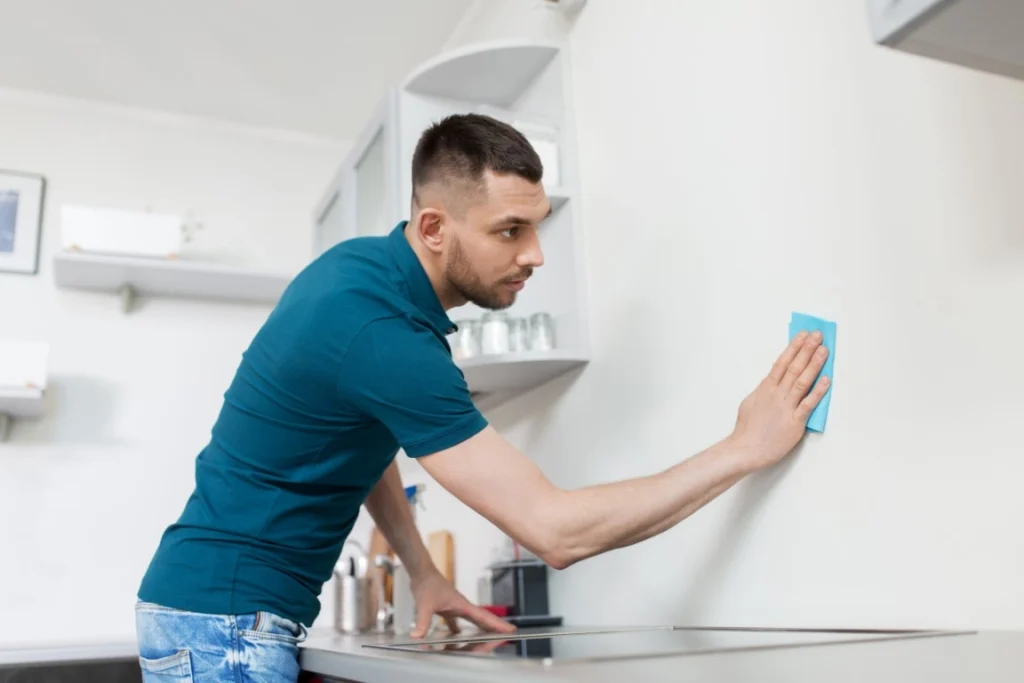
- Use soft, nonabrasive tools whenever possible
- Follow manufacturer cleaning recommendations for painted surfaces
- Repair chips and scratches promptly to prevent larger issues
When It May Be Time for Repainting
Even the best cleaning may not always be enough. It’s time for repainting if the paint is peeling, has widespread fading or discoloration, has stubborn stains that cannot be cleaned, has moisture damage underneath it, or has reached the end of its expected life.
Trust Brush Brothers Commercial to Help Protect Your Investment
At Brush Brothers Commercial, we want to help you protect your new paint and ensure it looks great for years to come. In addition to performing touch-ups or repainting when necessary, we can recommend maintenance methods tailored toward the type of paint used and your commercial building’s needs. If you’re a property owner or facility manager, contact Brush Brothers Commercial today to learn more.


